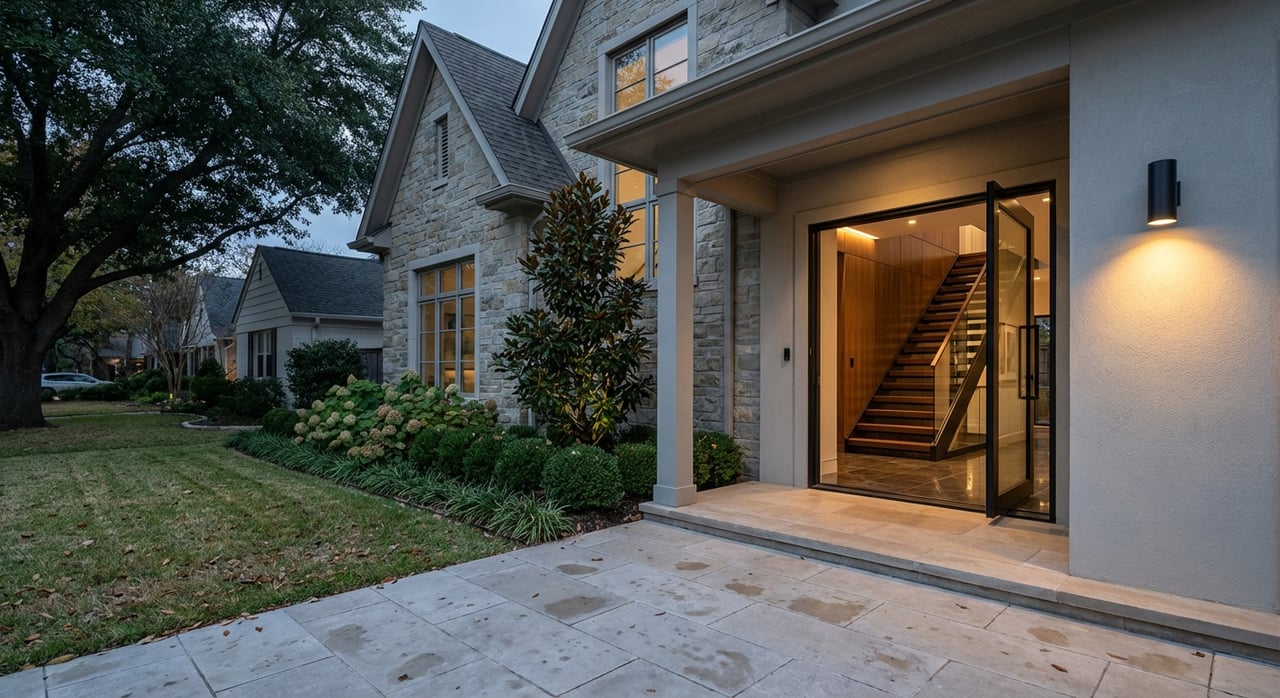
How Atlanta Relocation Trends Shape the Housing Market
February 19, 2026
February 19, 2026
Thinking about moving to Atlanta for a new role or a remote-friendly lifestyle? You are not alone. Corporate expansions, military moves and flexible work have all changed where and how buyers compete across the region. In this guide, you will see what is driving those shifts, how they affect pricing and inventory in Fulton County and beyond, and what smart steps help you land the right home with less stress. Let’s dive in.
Metro inventory has opened up. The Atlanta REALTORS Market Brief reported 17,069 active listings in March 2025, a 48.7% year-over-year increase, with a 3.8 months supply and a median sales price of $425,000. You can use the Atlanta REALTORS Market Brief to track these trends month by month.
At the county level, conditions vary. In late 2025, Fulton County showed a median home price near $375,000 and longer days on market, a helpful baseline if your search focuses intown or in inner suburbs. The big takeaway is not uniform heat, but a patchwork: some areas have regained balance while select pockets still move quickly.
Buyer leverage has improved in many parts of metro Atlanta. Local reporting in 2025 highlighted a rising share of homes selling below list and more canceled contracts, a sign that buyers are negotiating again in several submarkets. That context can shape your approach to contingencies, concessions and timing. For background, review this Axios Atlanta summary.
Atlanta’s logistics and warehouse-automation ecosystem continues to grow along key suburban corridors. Coverage of the region’s robotics and automation activity shows why facilities gravitate to areas like Suwanee, Norcross and parts of Cobb and Forsyth, where access to the airport and interstates is strong. That concentration draws hiring and housing demand into nearby suburbs. See the AJC’s look at warehouse automation in metro Atlanta.
You will also see targeted HQ and R&D moves. Recent headlines include a robotics company relocating its Americas headquarters to Norcross, which can nudge demand along the Peachtree Industrial corridor. Read more in WSB-TV’s coverage of a robotics HQ move to metro Atlanta.
Tech and industrial software firms continue to lease space and recruit near Georgia Tech, creating a Midtown footprint that spills into nearby intown neighborhoods. Those hires often prefer short commutes or transit access and will consider both rentals and for-sale options. For a recent example, see an AI firm’s HQ move into Midtown’s CODA building.
Remote and hybrid work remain durable, and they change what buyers prioritize. Research summaries show many workers now value extra space for a home office and will broaden their search beyond a strict office commute radius. That shift boosts demand for larger suburban homes while still supporting interest in amenity-rich intown living for those who prefer it. See the federal overview in the Economic Report of the President (2025).
Defense installations contribute steady demand. Robins AFB and Dobbins ARB represent many thousands of military, civilian and contractor roles, which translates into recurring home searches in their commute areas. Seasonal PCS cycles can also create short-term rental pressure near bases before families buy. Visit Robins AFB’s fact sheets for scale and mission details.
Georgia’s production ecosystem and supportive tax incentives continue to fuel hiring that touches southern and outer-ring counties, creating both short-term rental needs and longer-term housing demand. For context on production hubs, see Trilith Studios.
Relocations add buyers to specific price bands near job nodes. When a company adds headcount in Norcross or Midtown, you often see faster absorption and stronger pricing pressure for homes that match those salaries and commutes. At the same time, remote workers widen the search map and bid on homes with extra square footage or a dedicated office.
Because overall supply improved in 2025, bidding wars have cooled compared with the pandemic peak. The metro now shows more options and more room to negotiate in many segments. Still, not every area has the same balance. Walkable, updated intown homes and certain well-located suburbs can feel tighter, while other neighborhoods have normal or extended marketing times. Your strategy should match the live data for your exact price band and location.
Intown buyers often value proximity to employment centers, transit, restaurants and cultural venues. In 2024 and 2025, well-priced, updated, walkable homes have tended to move faster than higher-priced luxury listings, which can take longer to find the right match. County-level snapshots for late 2025 show Fulton’s median price near $375,000 with slower pace than the 2021–2022 peak, which signals more time to evaluate options if you shop in these areas.
Suburban corridors are growing, both in population and job nodes. The Atlanta Regional Commission estimates continued net population gains across the region, with outer counties such as Gwinnett, Forsyth and Cherokee adding many residents in recent years. That growth supports new construction, larger homes and more yard space while still offering access to employment in logistics, tech and services. Explore the ARC’s population estimates.
Industrial clusters can sharpen demand near facilities. For example, warehouse automation and robotics firms add jobs and housing demand in suburban industrial corridors. Buyers tied to those employers often map a 20 to 40 minute commute ring that includes multiple cities and subdivisions, then narrow by housing type, commute reliability and resale potential.
Use data and local representation from the start. The metro-level Market Brief and neighborhood-level comps often tell different stories. Reviewing both helps you calibrate list-to-sale price patterns, days on market and negotiation room. Begin with the Atlanta REALTORS Market Brief, then confirm conditions with a live MLS pull for your target streets.
Get pre-approved before you tour. More inventory means you can be choosier in many areas, yet tight submarkets still reward fast, clean offers. A clear budget lets you move quickly when the right home appears and keeps you focused during travel windows.
Tailor your offer to the submarket. Where supply is higher and a larger share of sales close below list, you can often include standard inspections and request concessions. In competitive intown pockets, consider shorter inspection windows, flexible closing timelines or a rent-back if it removes friction for the seller. Use current neighborhood metrics to set your terms, and keep an eye on reporting like Axios Atlanta’s 2025 market rundown for broader negotiation context.
Leverage relocation benefits with intention. Corporate and military relocation programs often include temporary housing, moving allowances or buy-sell assistance. Align your search timeline and offer terms with what HR or your relocation manager can support so you protect cash flow and avoid rushed decisions.
Map commute rings and daily routines. If you will work near Midtown or Tech Square, trace a 20 to 40 minute commute ring that includes intown neighborhoods with transit access and convenient north-south routes. If your employer is in Norcross or along Peachtree Industrial, consider suburban options that balance commute reliability with modern home layouts. For Dobbins ARB or Robins AFB, plan for on-base or temporary housing first, then shift off-base within a manageable commute.
Plan for remote and hybrid needs. Prioritize room count, flexible living spaces and reliable internet over strict proximity to an office. Many remote employees find better value by extending a bit farther out, while still staying within a periodic commute range for office days.
You deserve a plan that blends market data with practical, on-the-ground guidance. Ellis Lewis Luxury Co is a boutique collective serving select Atlanta-area suburbs with concierge-level support. You get refined marketing, technical insight on build quality, and experienced relocation help, including Military Relocation Professional expertise for service members and contractors.
If you are weighing intown convenience against suburban space, or timing your purchase around a start date or PCS, we will help you see the tradeoffs clearly and negotiate with confidence. Ready to map your next move in Atlanta? Connect with Nancy Ellis to get a tailored relocation game plan.


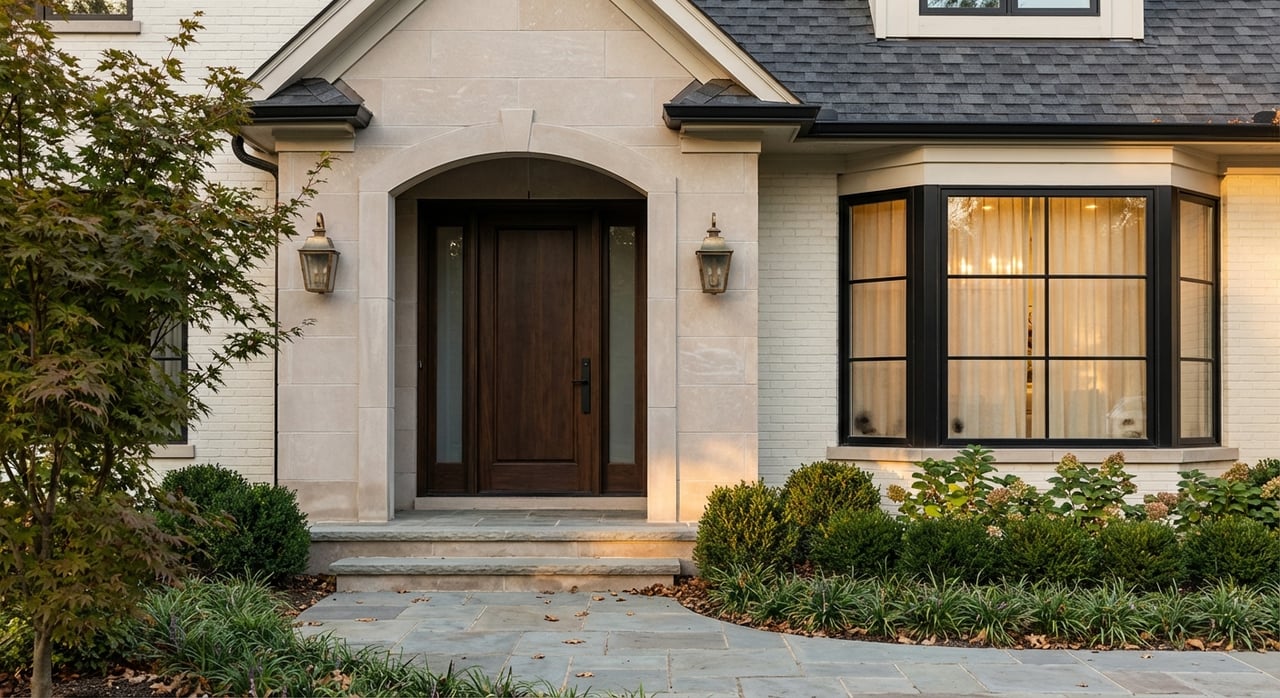


As your real estate agents, we transcend industry limitations to ensure each of our clients' New Editions are truly the assets of their dreams.
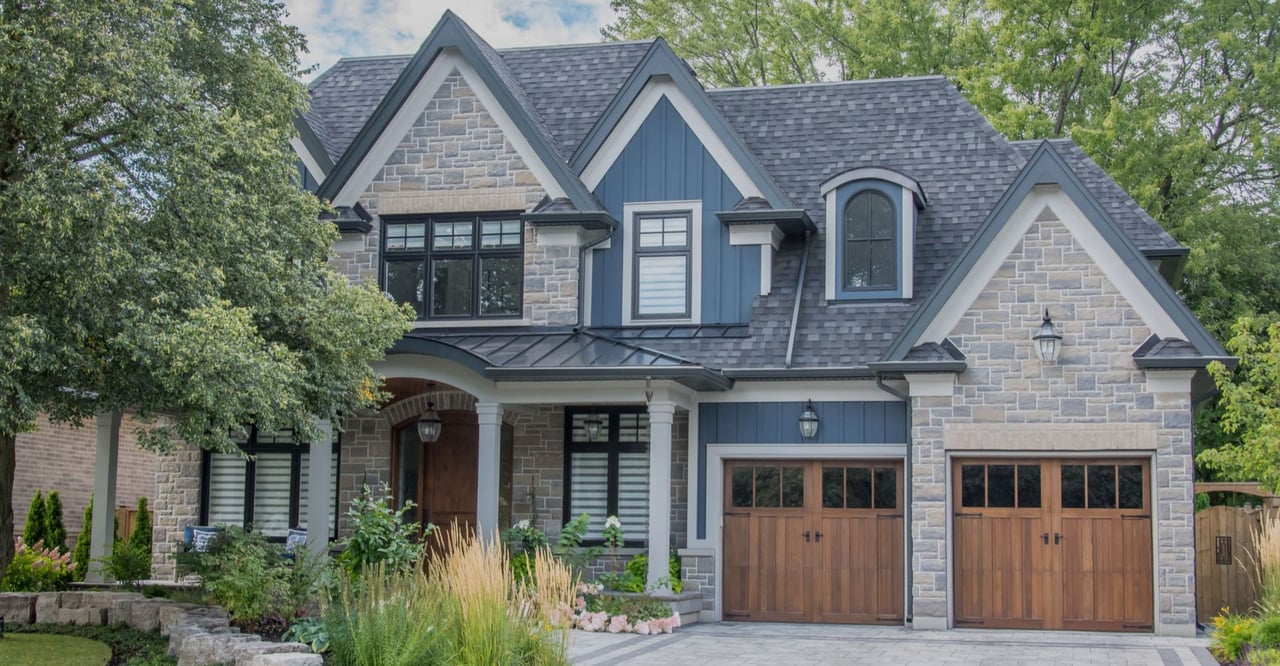
Nancy Ellis
Shanay Lewis
Address
3125 UNIVERSITY DR STE C
HUNTSVILLE AL 35816