What To Know About Decatur’s Townhome And Condo Options
March 5, 2026
March 5, 2026
Looking for a low‑maintenance home in Decatur but not sure whether a condo or townhome fits best? You are not alone. Many buyers here want walkability, practical space, and clear monthly costs without sacrificing location. In this guide, you will learn where condos and townhomes cluster, what typical prices and sizes look like, how HOA rules and financing work, and the key checks to make before you write an offer. Let’s dive in.
Decatur remains a walkable, in‑town market with steady demand for proximity to MARTA and the downtown Square. Local guides also highlight Decatur among the most desirable intown communities for access and amenities. For context, citywide median sale price across all home types was about $535,000 in January 2026, based on marketplace reporting. Attached options span a wide range, with many condos priced below that benchmark and newer townhomes often in the same band as single‑family homes near the core. You will want to compare by building and block to see how features and location shape value. For lifestyle context on Decatur’s draw, review this overview of top intown areas and walkability from a regional guide at atlanta.com.
You will find mid‑rise and stacked condos close to Decatur Square, often above or near retail with elevator access and shared amenities. These buildings appeal if you want maximum walkability and a short hop to the Decatur MARTA station.
These neighborhoods mix single‑family bungalows with pockets of townhomes and small communities. Townhomes here may be older infill or smaller gated clusters with practical floor plans and assigned parking.
North and west of the Square, you will see garden‑style condo communities and some larger townhouse developments that draw downsizers and Emory or CDC professionals. The long‑standing Oakridge community provides a good look at a well‑kept garden‑style setup with grounds and amenities. Explore the association’s overview at the Oakridge Condos site.
Recent projects like New Talley Station bring stacked condos and modern townhomes with contemporary finishes, garages, and optional elevators. New construction often commands a premium for design and efficiency. See a builder announcement with model details for New Talley Station at Builder Magazine.
Typically built in the 1980s to 1990s, these low‑rise buildings sit on landscaped grounds and may include a community pool. Parking is often assigned. Owners usually handle interiors while the association covers exteriors and common areas. Oakridge is a representative example you can review at the community site.
Closer to the Square, you will see elevator buildings with studios to two‑bedroom units, shared amenities, and higher HOA dues that reflect elevators, management, and insurance. Walkability is the key value driver.
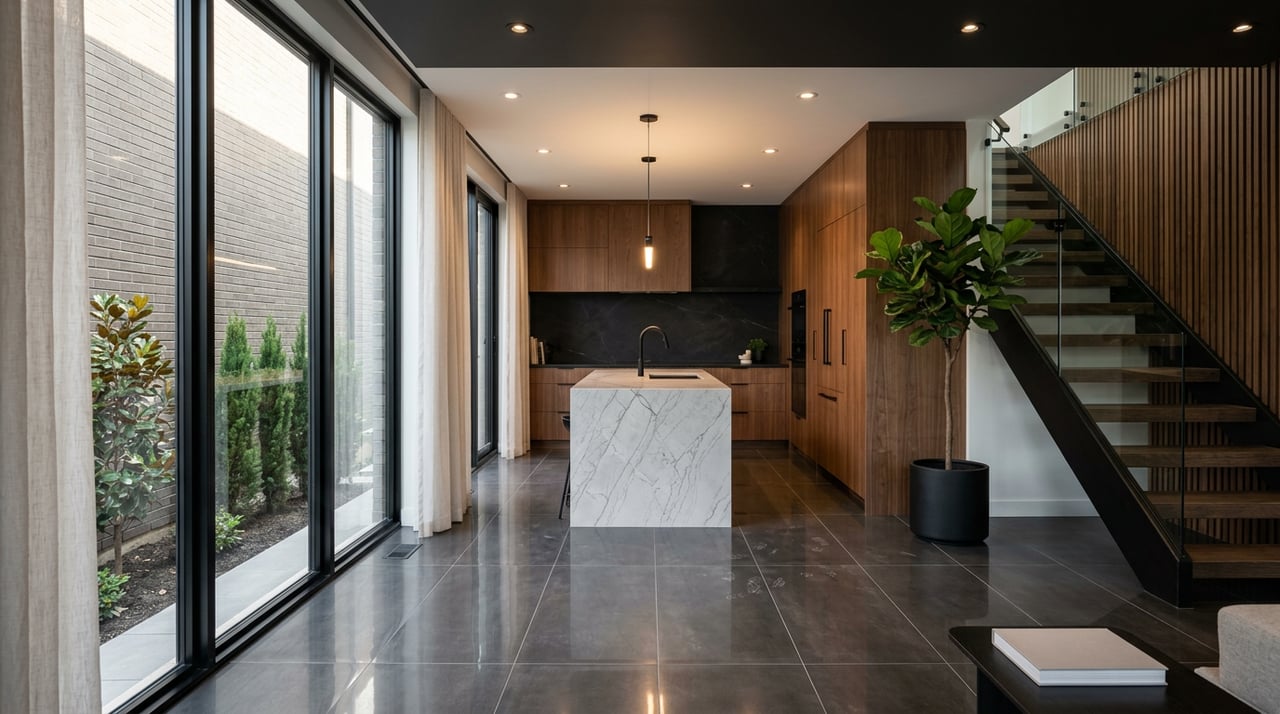
Expect 2 to 3 stories with one‑ or two‑car garages, open main levels, and balconies or small patios. New builds emphasize quartz countertops, wide‑plank floors, tall ceilings, and energy‑efficient systems, much like the finishes highlighted in the New Talley Station release at Builder Magazine.
Every building and block is different, but these ranges will help you frame options:
Illustrative price bands as of early 2026 based on current listings and market medians:
Use recent, building‑specific comps to refine your search since pricing can shift quickly with remodel levels, parking, and exact walk time to the Square.
What your HOA covers depends on the legal structure and recorded documents. In many Decatur condo communities, the association covers roofs, exterior maintenance, grounds, pools, some common utilities, and a master insurance policy. Garden‑style communities often post dues in the $200 to $500 per month range. Mid‑rise buildings with elevators and more amenities tend to run higher due to management, elevator service, and insurance.
Georgia law outlines how condominium ownership divides responsibilities between individual units and common elements, which informs who insures and repairs what. You can review the relevant framework under the state’s Condominium Act through this public code resource.
Your real monthly cost should include HOA dues, your interior insurance, any parking fees, and utilities not covered by the association. Compare that total to the maintenance you would otherwise carry with a single‑family home, such as roof, exterior paint, gutters, and lawn service.
Condo financing can differ from townhomes and single‑family because lenders review the entire project, not just your unit. Conventional lenders follow Fannie Mae and Freddie Mac criteria for “warrantable” condos, including owner‑occupancy ratios, reserve funding, single‑entity ownership concentration, commercial space percentage, and litigation status. If the project fails these tests, financing may be more limited or more expensive. Review Fannie Mae’s consumer guidance on condo buying and project reviews at Your Home by Fannie Mae.
If you plan to use FHA or VA financing, confirm whether the project is approved or if a single‑unit (spot) option is feasible in your case. Approval depends on factors like reserves and delinquency rates. Learn how FHA condo approvals work at this overview from Refi.com.
Townhome communities can vary. Many are fee‑simple with simpler financing, but some attached townhome associations handle more exterior items. Always confirm the recorded documents and lender treatment early.
Here is a focused checklist to help you evaluate any Decatur condo or townhome with confidence:
Request the full resale package early. Ask for bylaws, the recorded declaration, budget, reserve study or year‑end financials, board meeting minutes, insurance summary, and any disclosure of pending litigation. Lenders often require a condo questionnaire, and you should review these items up front. See the documentation overview at Your Home by Fannie Mae.
Confirm insurance coverage and deductibles. Determine what the master policy covers and whether you need an HO‑6 policy for interiors, personal property, liability, and loss‑assessment. For legal boundaries of responsibility, reference Georgia’s Condominium Act via this resource.
Verify rules that affect daily life and resale. Check rental policies, any rental caps, minimum lease terms, pet rules, parking assignments, and guest parking availability. DeKalb County also adopted a short‑term rental ordinance with phased implementation. Rules vary by location and HOA, so verify how they apply in your case via DeKalb County Planning and Sustainability.
Check project warrantability with your lender. Ask whether the condo is on an approved list, or whether a full project review is required. If it is non‑warrantable, discuss alternative financing paths. Learn the basics at Your Home by Fannie Mae.
Compare total monthly cost vs maintenance savings. Add HOA dues, your interior insurance, and any parking or utility fees, then compare to an estimate for lawn care, roof, siding, and exterior repairs for a similar single‑family home.
You deserve clear answers before you commit. Our team brings a concierge approach to Decatur’s attached‑home market. We help you source on‑ and off‑market options, read association documents, coordinate lender project reviews, confirm insurance coverage, and benchmark pricing by building. If you are relocating or working on a tight timeline, we streamline showings, digital document review, and closing logistics so you can move with confidence.
If you are weighing condo vs townhome in Decatur, start a focused strategy session with Nancy Ellis. We will map your goals, budget, and timeline to the right buildings and communities, then guide you from offer to keys with calm, expert advocacy.

As your real estate agents, we transcend industry limitations to ensure each of our clients' New Editions are truly the assets of their dreams.
Nancy Ellis
Shanay Lewis
Address
3125 UNIVERSITY DR STE C
HUNTSVILLE AL 35816