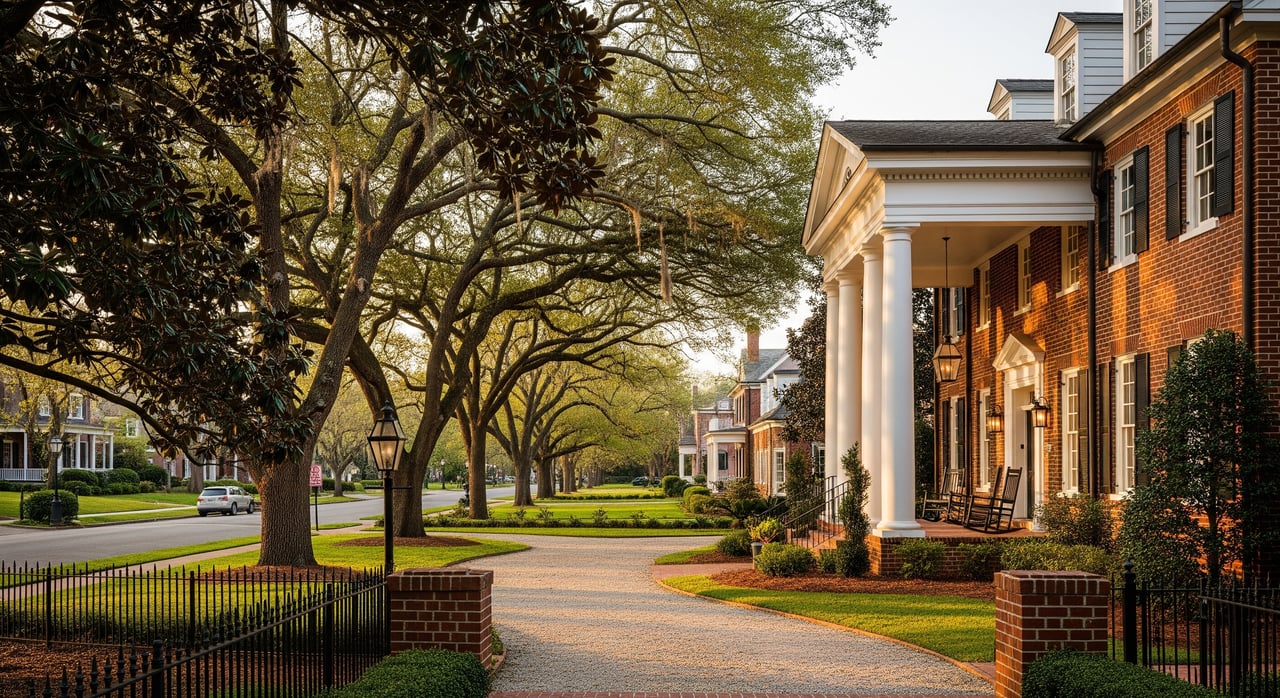
What Living in Fayetteville GA Really Feels Like
February 5, 2026
February 5, 2026
Wondering what an ordinary Tuesday feels like in Fayetteville, GA? Picture a small-town square with morning coffee runs, easy park time after school, and a quick drive for most errands. If you are weighing a move, you want the real, day-to-day view before you decide. In this guide, you will learn about commutes, parks, dining, schools, housing, and practical next steps so you can decide if the Fayetteville lifestyle fits your plans. Let’s dive in.
Fayetteville sits about 20 to 25 miles south of downtown Atlanta and serves as the county seat of Fayette County. The historic courthouse square anchors the city’s center, while neighborhoods spread into suburban and semi-rural areas. Nearby communities include Peachtree City, Tyrone, and Senoia.
You get a blend of small-town charm and suburban convenience. Many residents work across the Atlanta metro, then come home to tree-lined streets, parks, and a quieter evening rhythm.
Fayetteville is primarily car-oriented. Most daily errands and school runs happen by car. Fixed-route public transit is limited locally, and MARTA rail does not extend into most of Fayette County.
Typical commute time to downtown Atlanta varies by route and time of day. You can expect about 30 to 60 minutes to major employment centers, with shorter 10 to 30 minute drives within Fayette County. Main corridors connect you to the wider interstate network, and some residents use park-and-ride options, carpooling, or ride-hail services.
If you plan to commute during peak hours, test your route at the exact times you would drive. Morning and late-afternoon patterns can change with school calendars and construction, so a trial run is helpful.
Downtown Fayetteville has a pedestrian-friendly core where you can park once and walk to restaurants, shops, and civic buildings. The square hosts many community events, so you may find live music or a seasonal market on weekends.
Outside of downtown, neighborhoods are low density. You will drive for most errands like groceries, extracurriculars, and medical appointments. Weekdays revolve around school schedules and after-school activities. Weekends often center on parks, youth sports, church activities, and family gatherings.
If you enjoy an easy pace and knowing your favorite local spots, the rhythm here will feel comfortable and predictable.
You will find ballfields, playgrounds, and green space managed by the City of Fayetteville and Fayette County Parks and Recreation. Mature trees and preserved areas give many neighborhoods a calm, leafy feel.
For variety, nearby Peachtree City adds a wide trail network and lakes for walking, cycling, and fishing. It is common for families to split time between city parks and regional assets based on the season.
Quick ideas for a typical Saturday:
Dining in Fayetteville blends locally owned cafes and family restaurants with familiar chains along main corridors. The most walkable cluster is around the historic square, where you can grab coffee, brunch, or dinner before a community event.
Nightlife is quieter than intown Atlanta. Most evenings focus on dining, family-friendly activities, or small events. For bigger concerts or late-night options, many residents head into the city or visit larger venues around the metro.
Seasonal festivals, parades, markets, and outdoor concerts bring people together. Check the city’s event calendar when you visit so you can experience the local energy firsthand.
Fayette County Public Schools serves most of Fayetteville and surrounding areas. The district is generally well regarded in county and state contexts, and families often compare multiple campuses before deciding. Attendance zones and ratings can change, so review current state report cards and district maps as part of your search.
You will also find private and faith-based options, plus a range of preschools. Many parents evaluate commute logistics along with academics, activities, and aftercare.
Piedmont Fayette Hospital provides full-service care in the city, with broader specialty services available in the Atlanta region. For many households, having a hospital close by is a key quality-of-life factor.
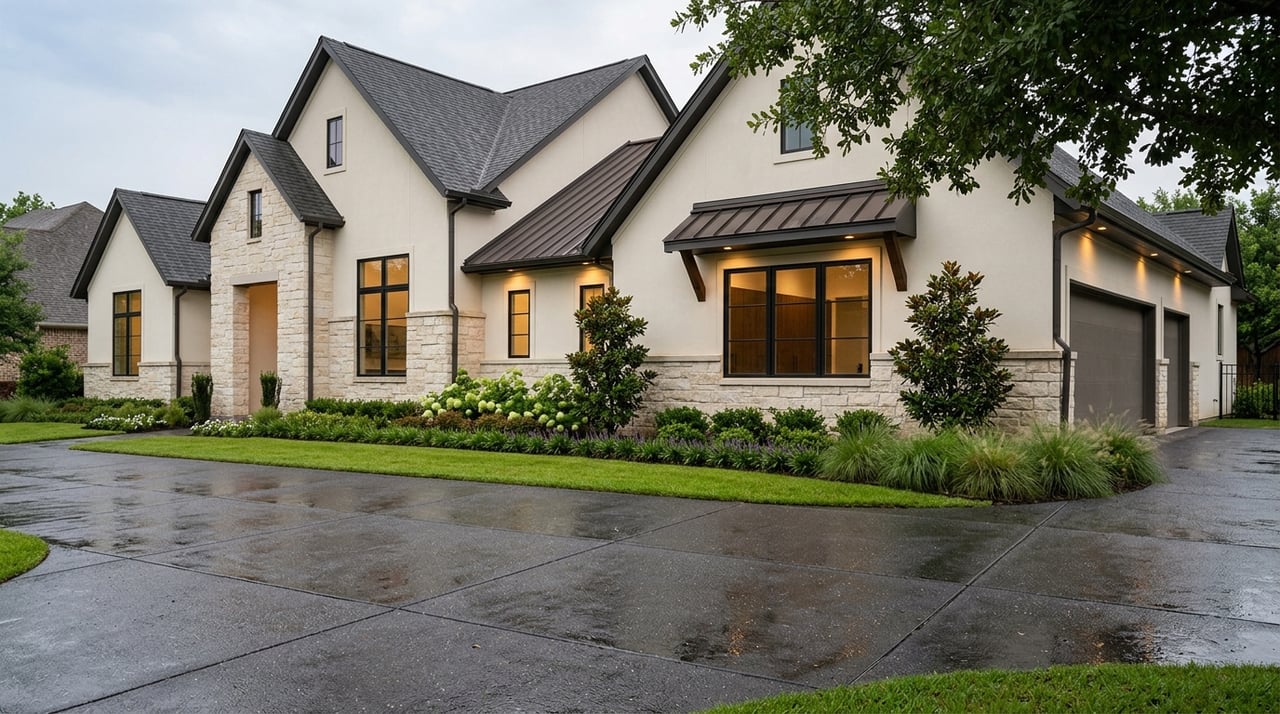
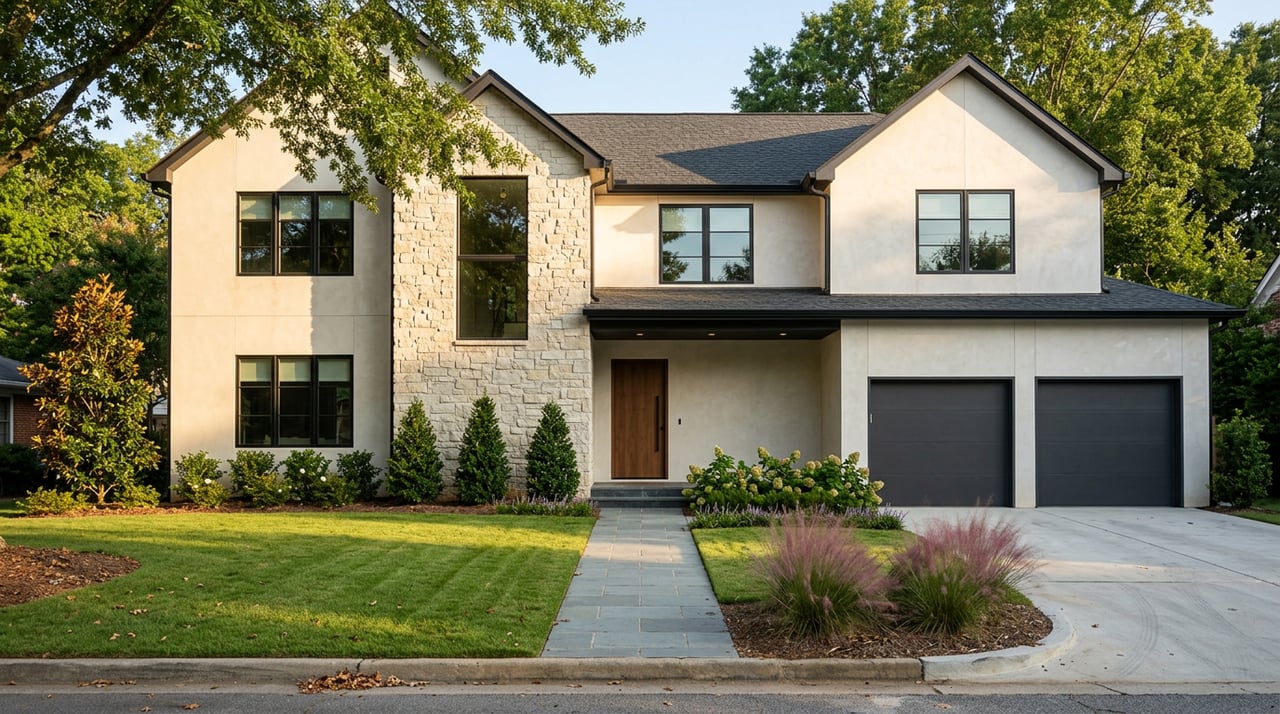
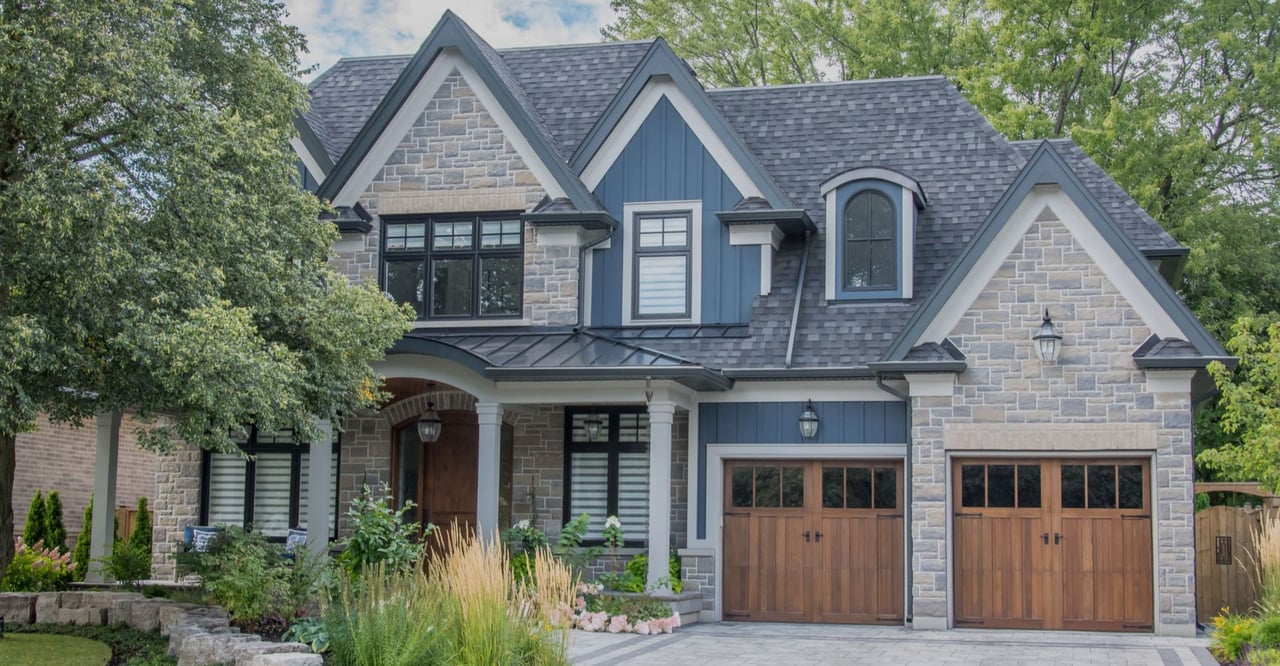
Housing in Fayetteville is mostly single-family, with variety by age, style, and setting.
Townhomes and condos are less common than single-family homes, though you will find some communities and apartment options along commercial corridors. New construction appears in pockets, with occasional infill near established areas.
When you compare neighborhoods, focus on how lot size, HOA covenants, and commute patterns match your lifestyle. If you want a larger backyard and room to spread out, look beyond the downtown core. If you prefer short walks to dinner and events, the historic area may be a better fit.
Fayetteville fits well if you want a small-town downtown feel, access to green space, and schools that many families consider a strength. It also works if you plan to commute into Atlanta occasionally and prefer a quieter home base.
It may be less ideal if you want dense urban walkability, extensive public transit, or late-night entertainment at your doorstep. The city’s strengths lean toward community events, parks, and family-focused activities.
Ask yourself:
Cost of living in Fayetteville tends to be lower than many intown Atlanta neighborhoods and higher than some rural Georgia counties. Housing is usually the biggest variable. Property taxes are set at the county and local level, so review Fayette County millage rates and the tax assessor’s records for estimates on any home you consider.
Utilities follow a standard suburban pattern. As you evaluate homes, confirm expected utility costs, any septic or well systems on larger lots, and homeowners insurance requirements. It is also wise to check parcel-level floodplain details for properties near creeks or low-lying areas.
For peace of mind, gather hard numbers on monthly costs during your due diligence. This helps you compare Fayetteville with nearby cities like Peachtree City or Tyrone based on your actual lifestyle.
If you are exploring Fayetteville, use a simple plan to get clear on fit.
If you want a calm, connected lifestyle with quick access to parks and a walkable downtown core, Fayetteville deserves a close look. For a tailored home search, neighborhood comparisons, and a clear plan from first tour to close, connect with Nancy Ellis. We will help you evaluate commute tradeoffs, lot sizes, and community options so your next move feels right from day one.
As your real estate agents, we transcend industry limitations to ensure each of our clients' New Editions are truly the assets of their dreams.
Nancy Ellis
Shanay Lewis
Address
3125 UNIVERSITY DR STE C
HUNTSVILLE AL 35816