
Preparing To Sell Your Roswell Home From Start To Finish
April 16, 2026
April 16, 2026
If you want top-dollar results for your Roswell home, preparation is not a side task. It is the strategy. In a market where buyers have options and compare homes carefully, the way you plan, price, and present your property can shape both your timeline and your final terms. This guide walks you through what to do from the earliest prep stage to closing so you can move forward with more clarity and confidence. Let’s dive in.
Roswell is active, but it is not a market where every home sells instantly just because it hits the market. According to Realtor.com’s Roswell market overview, the city had a median listing price of $679,000 in March 2026, with 409 active listings and a median 36 days on market. Redfin’s Roswell housing market data also points to a somewhat competitive environment, with homes receiving an average of two offers.
Those numbers matter because they suggest buyers are still making comparisons. They are looking at condition, value, and presentation before deciding whether to move quickly or keep shopping. That is why a thoughtful prep plan can help you protect your pricing power from day one.
Roswell also has wide price variation by area. Realtor.com shows neighborhood median listing prices ranging from roughly $252,500 in Holcombs Crossing to about $1.525 million in Litchfield, with other areas falling in between. That means broad city averages only tell part of the story, and your home should be evaluated against nearby comparable properties, not just Roswell as a whole.
If you know you may sell within the next year, this is the best time to create a strategy before deadlines begin to stack up. Early planning gives you more room to decide what is worth repairing, what can wait, and how to avoid rushed choices later.
At this stage, your focus should be on the larger items that can affect value or trigger negotiations later. The National Association of Realtors consumer guide on preparing to sell recommends thinking through significant repairs such as roof, HVAC, or appliance issues by estimating costs, even if you do not plan to complete every repair before listing.
This is also when a pre-sale inspection may be worth considering. NAR notes that while it is not required, it can uncover issues involving roofing, plumbing, electrical, HVAC, ventilation, mold, radon, lead paint, or asbestos before a buyer finds them. Knowing what is there early can help you decide whether to repair, price around the issue, or prepare documentation for buyers.
A smoother sale often starts with simple organization. NAR advises sellers to locate warranties, guarantees, and user manuals for systems or appliances that will stay with the home. These details can become important near closing, and tracking them down early is easier than scrambling later.
If you completed updates in recent years, it also helps to gather invoices, contractor information, and any final inspection records you have. Buyers and appraisers often ask questions about improvements, and having records ready can make your listing feel more credible and complete.
If your Roswell home was built before 1978, address lead-based paint rules early. According to the EPA’s lead-based paint disclosure requirements, sellers and agents must disclose known lead-based paint information before the contract is signed, provide the EPA pamphlet, and allow buyers a 10-day inspection or risk-assessment period for most pre-1978 homes.
Georgia’s disclosure framework is also less standardized than in some states. Nolo’s overview of Georgia seller disclosures explains that state law does not require a broad, universal seller disclosure form in the same way many other states do. Even so, you still need to answer buyer questions honestly and handle known issues carefully, so it makes sense to review likely disclosures well before your home goes live.
The month before launch is where preparation becomes visible. This is when buyers will start judging your home based on photos, first impressions, and how easy it feels to imagine themselves living there.
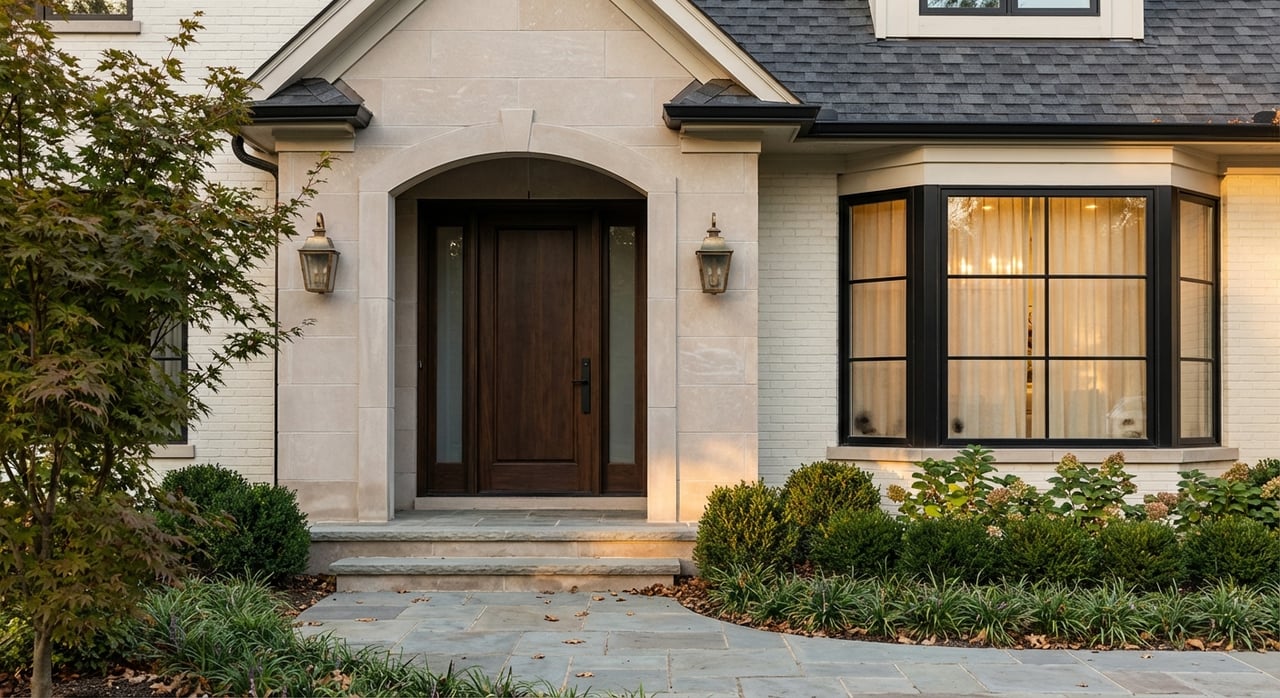
According to NAR’s seller prep guidance, this is the right time to clean windows, carpets, lighting fixtures, and walls, store away clutter, and improve curb appeal with landscaping or front-entry updates. These are not just cosmetic tasks. They can directly influence how your home shows in listing photos and in person.
A cleaner, more streamlined home often feels better maintained, more spacious, and easier to evaluate. That matters because your online presentation is often the first showing buyers experience.
Staging is optional, but the data behind it is hard to ignore. In the NAR 2025 staging report, 29% of agents said staging led to a 1% to 10% increase in the dollar value offered, and 49% said it reduced time on market.
The same report found that 83% of buyers’ agents said staging made it easier for buyers to picture the home as their future residence. Living rooms, primary bedrooms, and kitchens were the most commonly staged spaces. For sellers in Roswell, that supports a practical takeaway: your launch package is not just marketing, it is part of your pricing strategy.
If you have made repairs or updates, confirm whether permits were required and whether final inspections were completed. The City of Roswell permit and inspection page states that permits are required for many types of structural, electrical, gas, mechanical, plumbing, roofing, siding, window replacement, deck, and remodeling work.
Routine maintenance such as painting, floor coverings, and wallpaper generally does not require a permit. But if you completed more significant work, permit status should be verified before listing. Roswell also notes that final inspection records may lead to a Certificate of Completion or Certificate of Occupancy, depending on the scope of work, and the city’s FAQ page explains why those records matter.
One of the biggest mistakes sellers make is relying too heavily on a Roswell-wide average. Because neighborhood price points vary so much across the city, your pricing strategy should reflect recent comparable sales and current competition close to your home.
That means looking at homes with similar size, condition, age, and location, then adjusting for updates, lot characteristics, and overall presentation. A strong pricing plan should account for where your property sits within its immediate market, not just what Roswell headlines say.
This is especially important in a market where buyers are selective. A price that ignores neighborhood context can reduce showings, lengthen days on market, and create pressure for future price cuts.
Once you accept an offer, the process moves from presentation to execution. This is where preparation can keep the transaction on track and reduce the chances of renegotiation.
The NAR guide to the steps between signing and closing explains that escrow is a separate account that holds funds while contract terms are being met. Buyers typically deposit earnest money, and the transaction then moves through inspections, title work, financing, and other deadlines.
Buyer inspections are often optional, but they are commonly used as contingencies. If your home was well prepared before listing, you are less likely to be surprised by repair requests that could have been anticipated earlier.
If the buyer is financing the purchase, the lender will usually require an appraisal. NAR notes that appraisers may flag issues such as chipped paint or missing handrails when evaluating whether a home is safe.
That means small safety repairs completed before listing can help reduce late-stage issues. Preparing for appraisal is not just about value. It is also about making sure the property condition supports the financing process.
For pre-1978 homes, lead-based paint requirements can also shape your contract timeline. The EPA requires disclosure of known lead-based paint information before contract signing and provides buyers a 10-day opportunity for a lead inspection or risk assessment in most covered homes.
If any repainting or repairs will disturb lead-based paint in a pre-1978 property, the EPA also requires lead-safe certified contractors and certified renovators. That is another reason to identify older-home compliance issues well before your launch date.
If you want a cleaner path to market, focus on these steps:
Selling your Roswell home is much easier when each stage builds on the one before it. A strong result usually comes from clear planning, polished presentation, and fewer surprises once buyers begin their due diligence. If you want a concierge-style selling strategy backed by thoughtful marketing and practical transaction guidance, connect with Nancy Ellis to schedule a consultation.
As your real estate agents, we transcend industry limitations to ensure each of our clients' New Editions are truly the assets of their dreams.
Nancy Ellis
Shanay Lewis
Address
3125 UNIVERSITY DR STE C
HUNTSVILLE AL 35816